







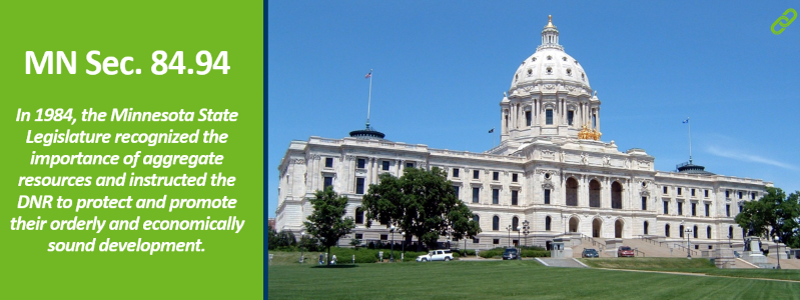
Minnesota communities are increasingly turning to state-provided aggregate resource maps as they plan future infrastructure projects. The Minnesota Department of Natural Resources says demand for the maps is growing as counties work to secure access to sand, gravel and crushed stone used in roads, bridges, housing and disaster recovery.
The DNR has completed mapping in 31 counties and is working on four more, with another 25 counties requesting maps. Officials say identifying local aggregate resources can lower construction costs, protect valuable materials from development, and help communities respond more quickly after floods, storms and other natural disasters. For more information and to view completed county maps, visit the Minnesota DNR’s Aggregate Resource Mapping Program website.