



Electric Rates Proposed to Rise as Wholesale Power Costs Increase

By Mani Souphom – R & J Broadcasting, Inc. | Tuesday, March 3, 2026

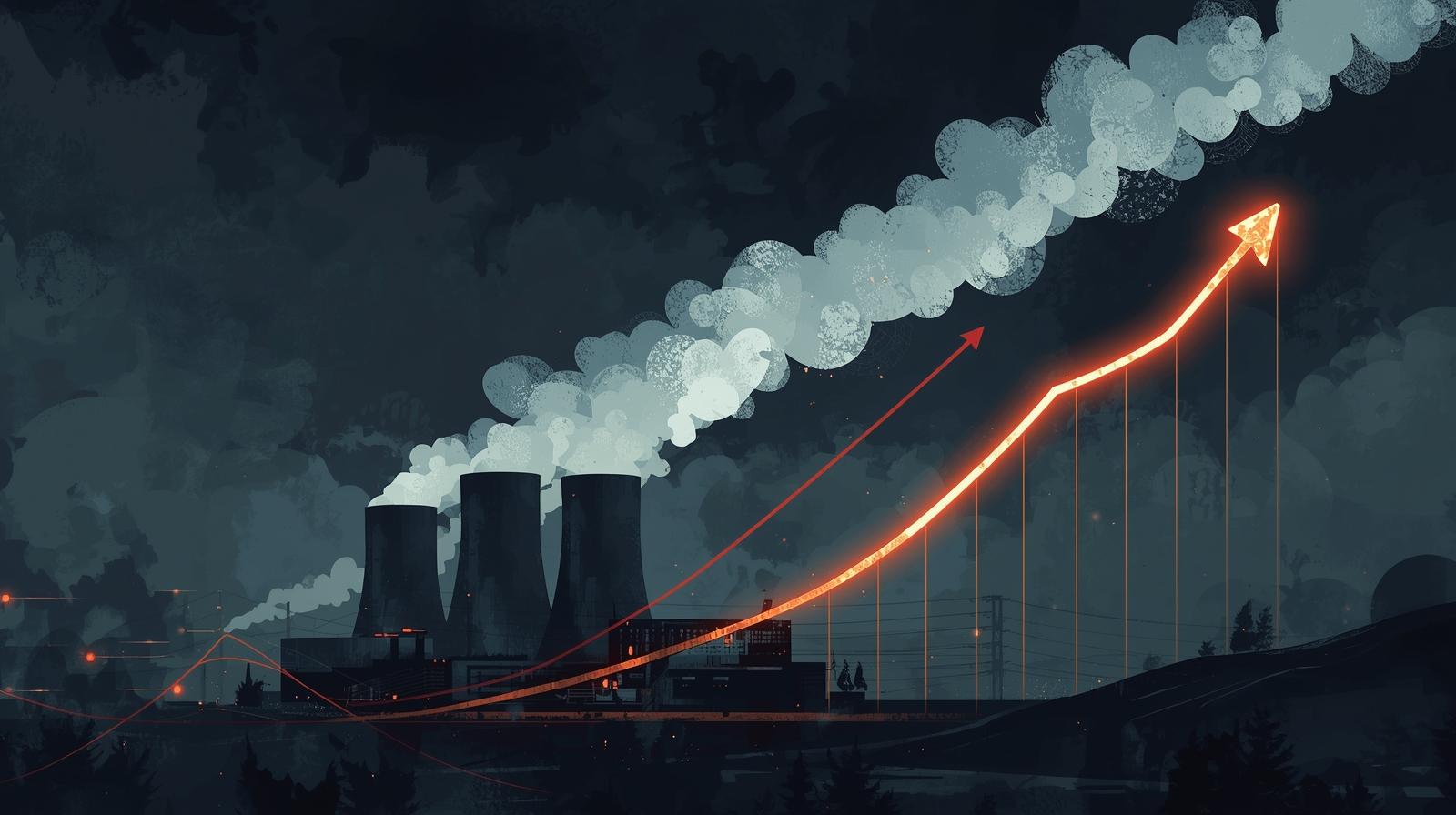
ROSEAU, Minn. – Local electric rates could increase nearly six percent beginning April 1 as wholesale power costs rise through the Minnesota Municipal Power Agency and its power supplier, Minnkota Power Cooperative.

City officials say the proposed rate would move from 11.9 cents per kilowatt hour to approximately 12.66 cents, a 5.94% increase across energy rates. The adjustment is intended to align local revenues with expected wholesale power costs and prevent the city’s electric fund from falling behind.

Minnkota, which supplies power to member utilities, has indicated it expects larger increases going forward. Officials say the cooperative’s three power plants are about 40 years old, and recent outages contributed to significant financial losses. In response, Minnkota is working to rebuild reserves and meet financial policy requirements, including profit margin covenants presented to borrowers.

Power purchases account for roughly $3.3 million of the city’s electric department operating costs, making them the largest expense category.

City leaders say the rate adjustment is forward-looking and tied to projected costs rather than past deficits.

Community Development Coordinator Todd Peterson says residents should expect modest short-term impacts as the city works to maintain financial stability.

Officials say wholesale market pressures and aging infrastructure mean additional adjustments may be necessary in the coming years, though no further increases have been formally approved.

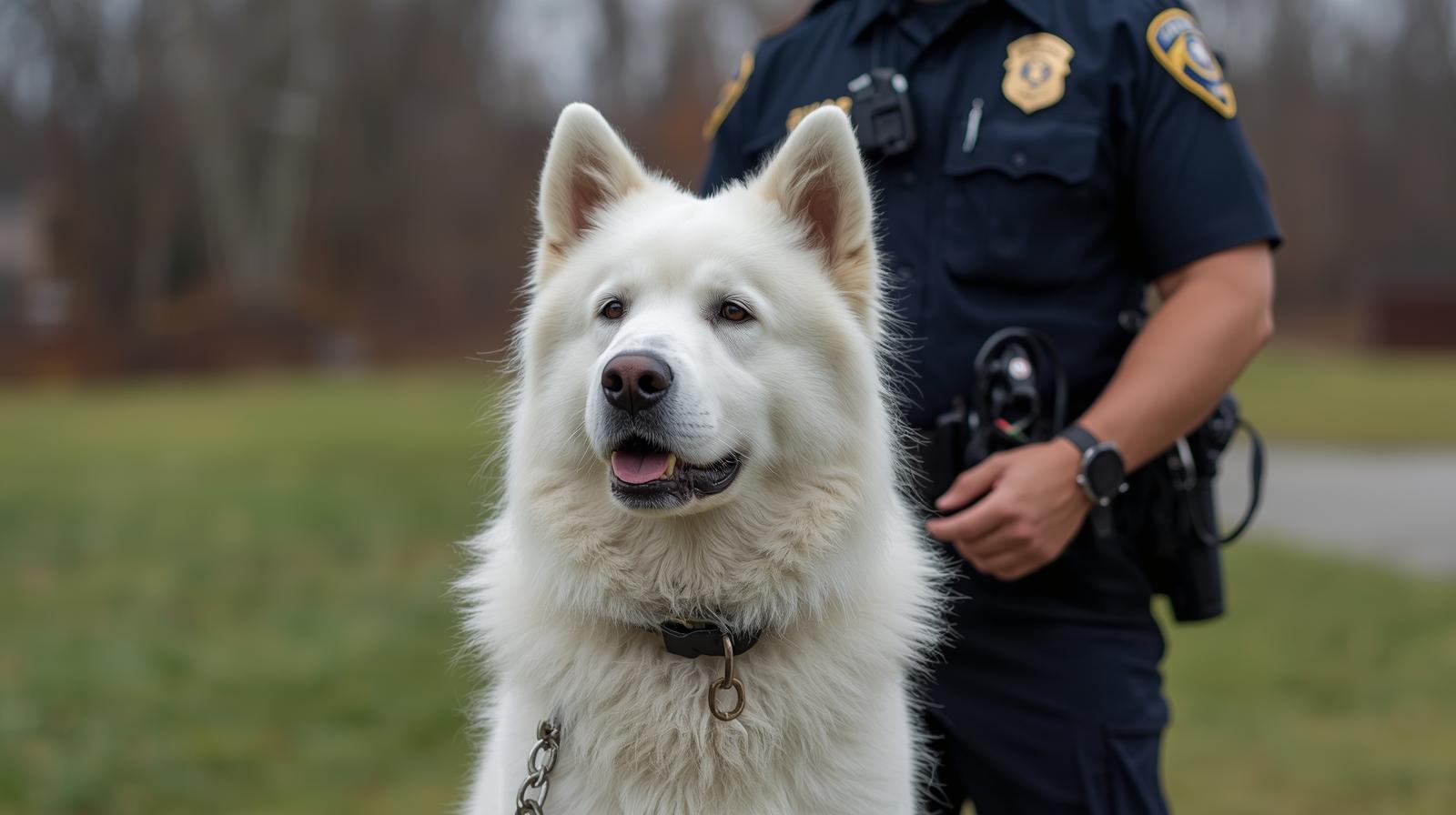
Roseau Council Designates Dog as Potentially Dangerous Following February Incident

By Mani Souphom – R & J Broadcasting, Inc. | Tuesday, March 3, 2026

ROSEAU, Minn. – The Roseau City Council has unanimously designated a dog as “potentially dangerous” following a February 14 incident at Northern Lights Apartments.

According to police, officers were dispatched around 10:34 a.m. for a report of a dog bite. Authorities say a Great Pyrenees named Frosty slipped off a leash and became involved in a fight with two leashed dogs being walked by another resident. One of the dogs was injured. The resident who intervened told officials the dog also attempted to bite him, though he was not injured.

Under city ordinance and Minnesota law, the dog was impounded for 10 days and the owner was formally notified of the potential designation. The city’s animal control officer recommended the “potentially dangerous” classification based on the investigation. Officials noted the dog did not injure a person, which factored into the decision not to pursue a more severe “dangerous dog” designation.

Owner Brandon Vaugn told the council he does not believe Frosty is vicious and said the dog may have been reacting to another dog nearby. He acknowledged the dog has gotten loose in the past and said he plans to improve containment measures. Frosty is described as an emotional support animal but is not a certified service dog.

The other dog owner told council members he feared for his pets’ safety and believes the situation could have been worse.

Police Chief Marc Hodge said the designation is intended to reduce risk moving forward and ensure safeguards are in place.

Mayor Dan Fabian said the city aims to balance public safety with giving pet owners a clear path to compliance.

Under the designation, the owner must meet specific requirements before regaining possession of the dog. If the dog were to bite a person in the future, it could be formally designated as dangerous under state law.

Council members said the action also protects the city from potential liability. The “potentially dangerous” designation follows the dog wherever it resides, including if it moves to another municipality.

Remote Area Border Crossing Program Ending in 2026

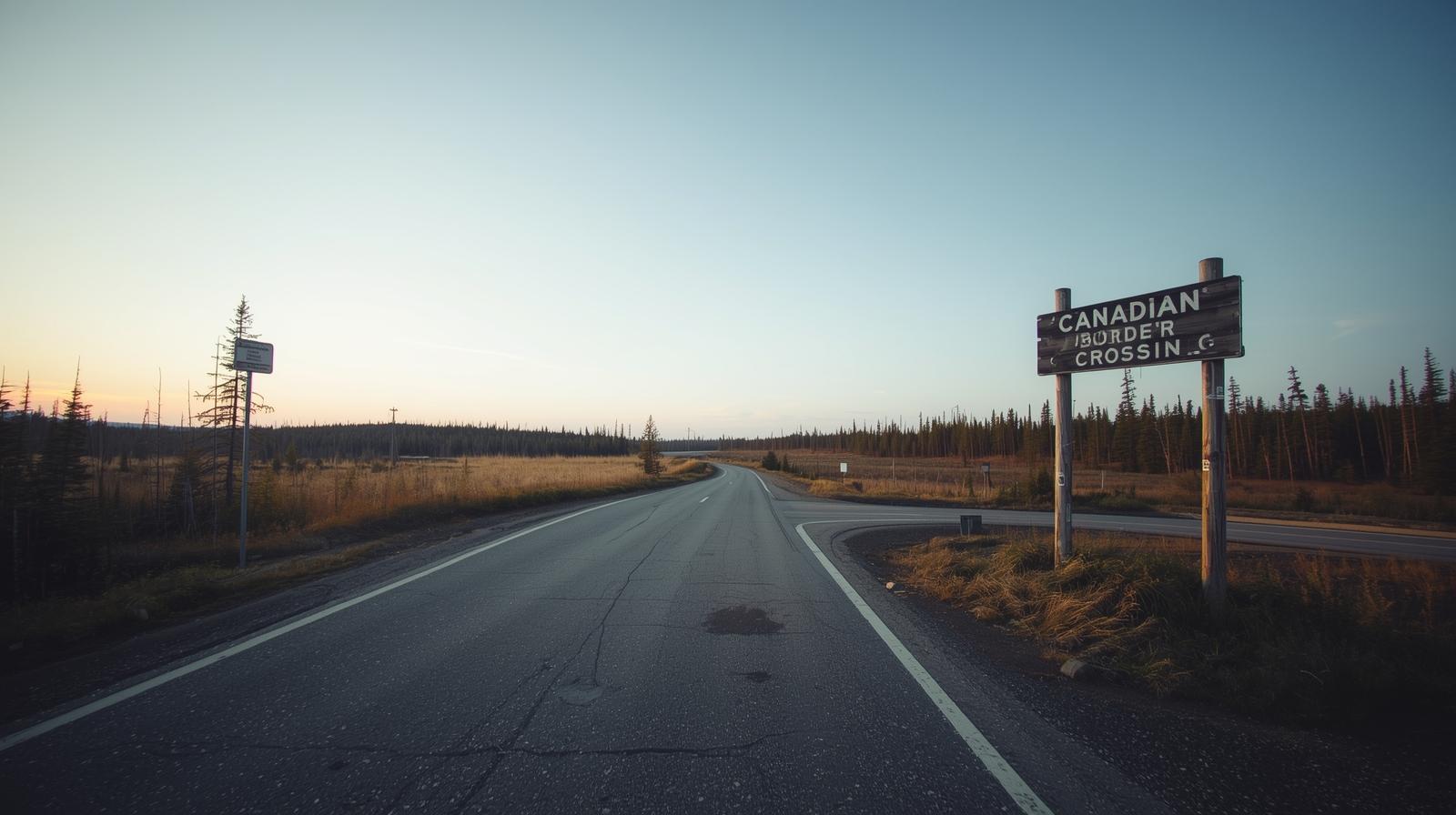
The Canada Border Services Agency says it will discontinue the Remote Area Border Crossing (RABC) Program on Sept. 14, 2026, affecting travelers between Ontario and northern Minnesota, including communities along the Highway 11 corridor such as Roseau, Warroad and Baudette.

Under the current RABC program, U.S. and Canadian residents have been able to cross in certain remote areas without reporting at staffed ports of entry. Active permits will remain valid through 11:59 p.m. Sept. 13, 2026. After that, travelers must report to border officials by calling designated telephone reporting sites or using staffed ports of entry when entering Canada.

The shift to telephone reporting is intended to enhance security, align with broader reporting procedures, and bring consistency to remote crossings. CBSA says it is consulting with local communities, businesses and law enforcement on where new reporting sites will be located, with details expected in the coming months.

Residents and visitors who use remote crossings should prepare for the change ahead of next fall. Travelers can find more information on the CBSA website at www.cbsa-asfc.gc.ca.

Snowmobile Fatality in Polk County

A 33‑year‑old man from Thief River Falls died Saturday Feb. 28 in a snowmobile accident in Gentilly Township, Polk County, the Polk County Sheriff’s Office said. Emergency responders attempted life‑saving measures, but the man was pronounced dead at the scene. He was wearing a helmet, and alcohol is not believed to have been a factor in the crash.

In light of the fatality, authorities are reminding winter riders to follow safety practices. Snowmobile safety experts urge riders to check weather and trail conditions before heading out, stay on marked trails, always wear a quality DOT‑approved helmet and protective gear, avoid alcohol use, and never ride alone.

Snowmobile safety courses are also available to help riders understand rules, proper operation, and risk reduction.

More information on snowmobile safety and training can be found on the Minnesota Department of Natural Resources website at www.dnr.state.mn.us/snowmobiling/safety.html

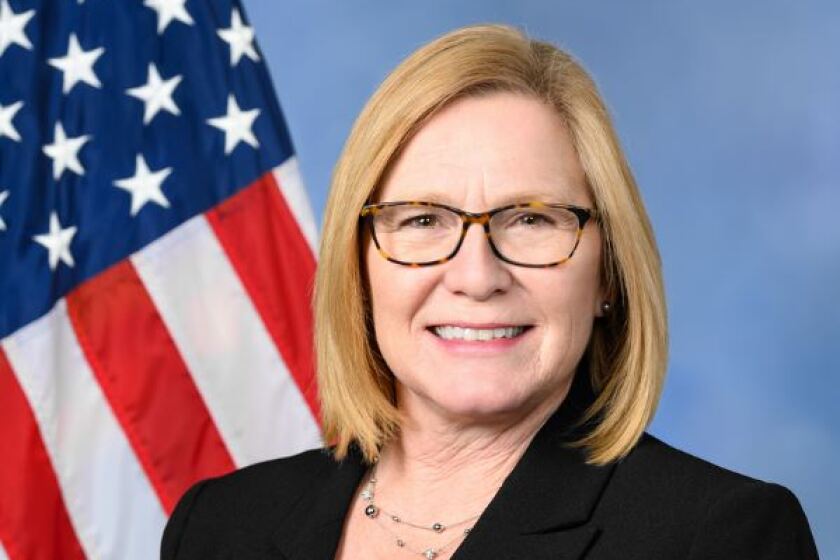
Michelle Fischbach update to end February

Last week, Northwest Minnesota District 7 representative Michelle Fischbach brought Minnesota Farm Bureau President Dan Glessing to the State of the Union, saying she wanted farmers’ voices represented as Congress debates national policy.

On the House floor, Fischbach voted for two energy-related bills — the Home Appliance Protection and Affordability Act and the Homeowner Energy Freedom Act — measures she says will lower costs by rolling back federal appliance standards and blocking incentives for electric-only building codes.

Fischbach also met with Disabled American Veterans, pointing to a reported drop in the VA disability claims backlog since January 2025. She backed the Clear Communication for Veterans Claims Act to simplify benefits notices and says she’s continuing work on mental health care and toxic exposure support.

Back home priorities were also front and center. Fischbach met with Northwest Minnesota County officials about highway and water infrastructure needs and supported the SPEED and PERMIT Acts to streamline environmental reviews for energy projects.

Fischbach’s focus remains on agriculture, affordability, and our local rural communities.