



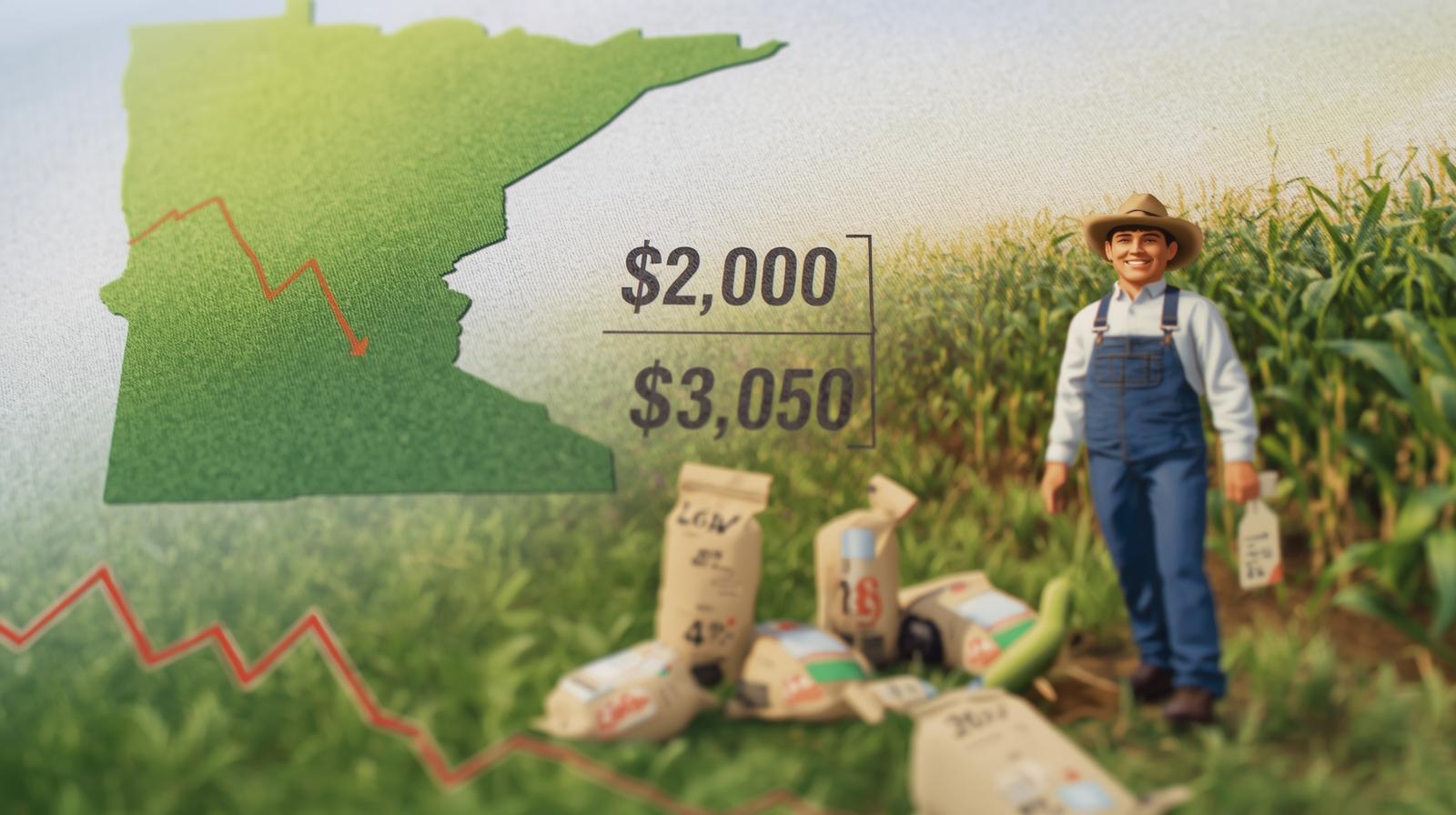
Sen. Klobuchar joins Sens. John Thune and Roger Marshall to Introduce Bill Lowering Fertilizer Costs

Minnesota Sen. Amy Klobuchar on Monday joined Sens. John Thune of South Dakota and Roger Marshall of Kansas to introduce bipartisan legislation aimed at lowering fertilizer costs, a key concern for farmers across Minnesota.

The bills come as Minnesota producers face rising input costs and weak commodity prices ahead of the spring planting season. Prices for key fertilizers, including urea, have surged in recent weeks, tightening margins for corn, soybean and wheat growers across the state.

One measure would require mandatory price reporting to improve transparency in the fertilizer market, while another would expand grants and loans to boost domestic production and storage capacity — an effort supporters say could reduce reliance on foreign suppliers.

Minnesota farm groups backed the proposal, saying greater transparency and increased U.S. production could help stabilize prices and ease supply challenges for growers already under financial strain.

Warroad Area Community Fund Accepting Applications for 2026 Spring Grant Round

The Warroad Area Community Fund is accepting applications for its 2026 spring grant round, offering financial support to local nonprofits and public entities.

Grants ranging from $500 to $5,000 are available for projects, programs and activities that aim to enhance quality of life for residents and visitors in the Warroad area. Eligible applicants must be located within the Warroad School District.

The fund, established in 2022, is supported by donations from local businesses, residents and community members. Applications are due April 30, and award notifications are expected by June 1. Past recipients must submit final reports to remain eligible for additional funding.

For more information or to apply, visit NWMF.org under the Open Grants section.

Roseau River Watershed Talks Flooding and Ice in Roseau County

By: Graham Scher | R&J Broadcasting Inc.

Roseau, Minn — Roseau County and the Roseau River are expected to have ice for at least the next month. R&J Ag Reporter Nick Revier caught up with Jason Braaten of the Roseau River Watershed who talked about how times have changed from using the phrase “draining water” to “managing water”.

The water used to be considered something to get rid of immediately, Braaten says it is now looked at as a resource.

He also talked about flooding and how long we can expect to see ice in Roseau County.

You can listen to the full interview with Jason Braaten below:

Boundary Waters Tops List of America’s Most Endangered Public Lands

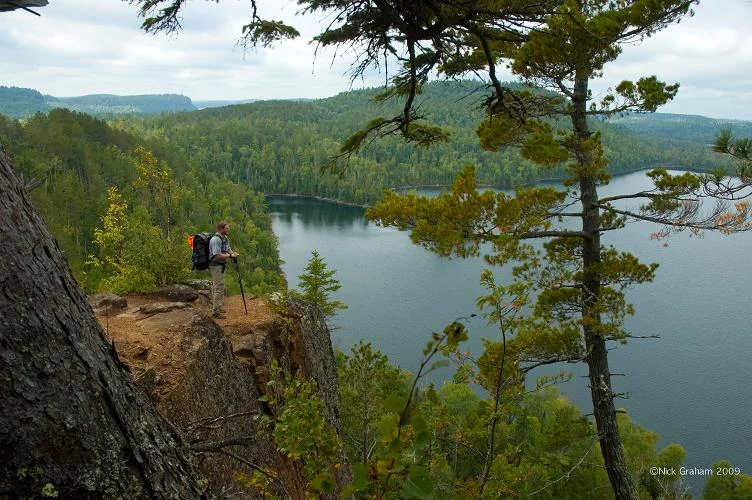
A national report by REPUBLIC is naming the Boundary Waters Canoe Area Wilderness the most endangered public land in the United States.

The report was written by National Geographic Explorer Stephanie Pearson and warns that more than 640 million acres of public lands across the country are now, quote, “under siege.”

Despite its pristine, one-million-acre boreal forest and its status as the most visited wilderness area in the U.S., the Boundary Waters is facing growing pressure.

At the center of the concern are federal efforts to open parts of the region’s watershed to sulfide copper mining — a process widely considered one of the nation’s most toxic forms of mining.

Conservation groups have said these plans could threaten critical wildlife habitat, indigenous cultural homelands, and roughly 20 percent of the freshwater within the U.S. National Forest system.

Spring Road Restrictions Begin in Northern Minnesota Forests

Spring road restrictions are now in effect across northern Minnesota, including the Beltrami Island State Forest and Lost River State Forest.

The Minnesota Department of Transportation has officially ended winter load increases and started spring load limits as of Friday, March 20th. These seasonal restrictions happen every year as warmer temperatures cause roadbeds to soften during the spring thaw.

In response, the Department of Natural Resources is enforcing reduced weight limits on forest roads in the area. Main routes may be limited to around 9,000 pounds, while smaller secondary roads could be restricted to as little as 2,000 pounds. Some trails and roads may be completely closed to protect them from damage.

Officials say gates may have already gone up on some roads earlier this week, and drivers should expect limited access in certain areas.

These restrictions typically remain in place through early to mid-May, depending on weather and road conditions.

For more information, contact the Minnesota DNR Forestry offices in Warroad or Wannaska.