



Spring Burning Restrictions Begin Mar. 30 In Minnesota

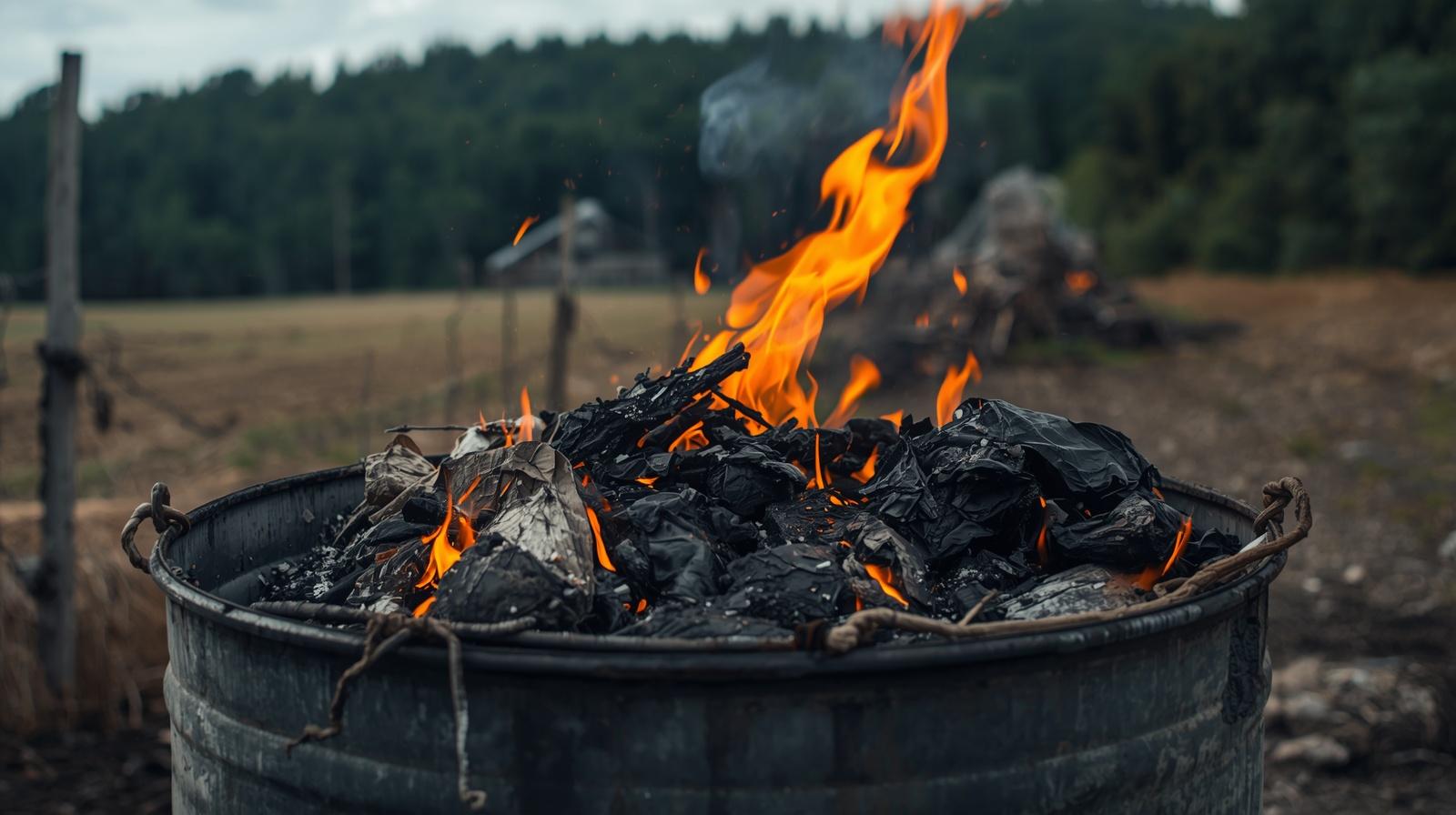
Spring burning restrictions began this Monday across parts of northwest Minnesota as warm, dry conditions raise wildfire risk. The Minnesota Department of Natural Resources says it will stop issuing permits for open burning of brush and yard waste in affected areas until conditions improve. Officials say wildfire danger increases after the snow melts and before vegetation greens up. Wildfire prevention specialist Karen Harrison urges residents to compost, chip, or use brush collection sites instead.

The DNR says people cause more than 90 percent of wildfires, and anyone whose fire escapes can be held liable for damages and suppression costs. Restrictions will change as conditions evolve. For more information and daily updates, go to mndnr.gov/burnrestrictions.

Roseau Planning Commission’s Annual Inspection Set For May

This May, the Roseau Planning Commission, along with Police and Building Officials, will conduct its annual city-wide tour to identify nuisance and building violations. Officials say the inspections help ensure the safety, health, and beauty of the city. Residents are asked to check their properties for common issues, including unlicensed or inoperable vehicles, peeling paint or broken windows on structures, exposed siding, outdoor storage of machinery or debris, and lawns with grass or weeds over six inches tall.

Property owners found in violation will receive a formal notice by mail with a timeline to make corrections. Unresolved issues could result in citations or abatement at the owner’s expense. Residents needing guidance or assistance are encouraged to contact City Hall, as programs may be available to help bring properties into compliance.

Warroad Community Development Town Hall Apr. 21

The Warroad Community Development Quarter 2 Townhall Meeting is set for April 21st from 6 to 8 p.m. at the Warroad High School Theater. Attendees will hear updates from the Warroad Area Chamber of Commerce, the Small Business Development Center, and the Minnesota Department of Transportation on 2026 construction projects. The meeting will include a Q&A session, followed by light refreshments and networking. Residents who want reminders for future meetings can sign up online at the Warroad Community Development email list.

Annie’s Trading Post Warroad Closes

Annie’s Trading Post in Warroad has officially closed, with its last day of business on March 28th. Owner Staci Howell cited personal health reasons for the decision, calling it an incredibly difficult choice. The Main Street location has been a local gathering spot, and community members are now speculating about what might move into the space.

This follows the February closure of LOW Brewing Company, another recent loss for businesses in the area. While the Warroad store is closed, Annie’s Trading Post will continue serving customers from its Roseau location. For more information, visit Annie’s Trading Post online.

Rep. Gander On Proposed Gun Search Legislation

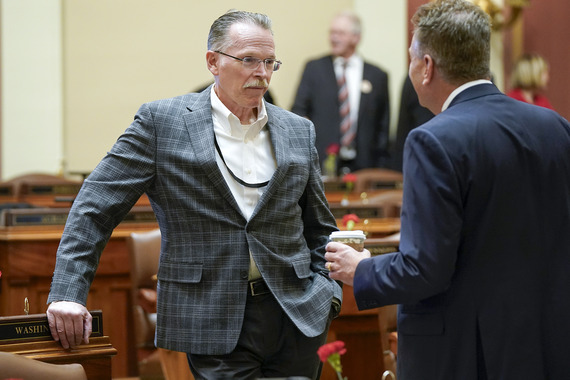
A bill has been proposed in the Minnesota Legislature that would allow law enforcement to enter a residence unannounced to check any firearms you might have. R&J News asked State Representative Steve Gander of East Grand Forks about the chances of such a bill passing.

Last weekend, Gander was endorsed by District 1 Republicans for re-election to the Minnesota House.  If re-elected, Gander would begin his second term in office in 2027.

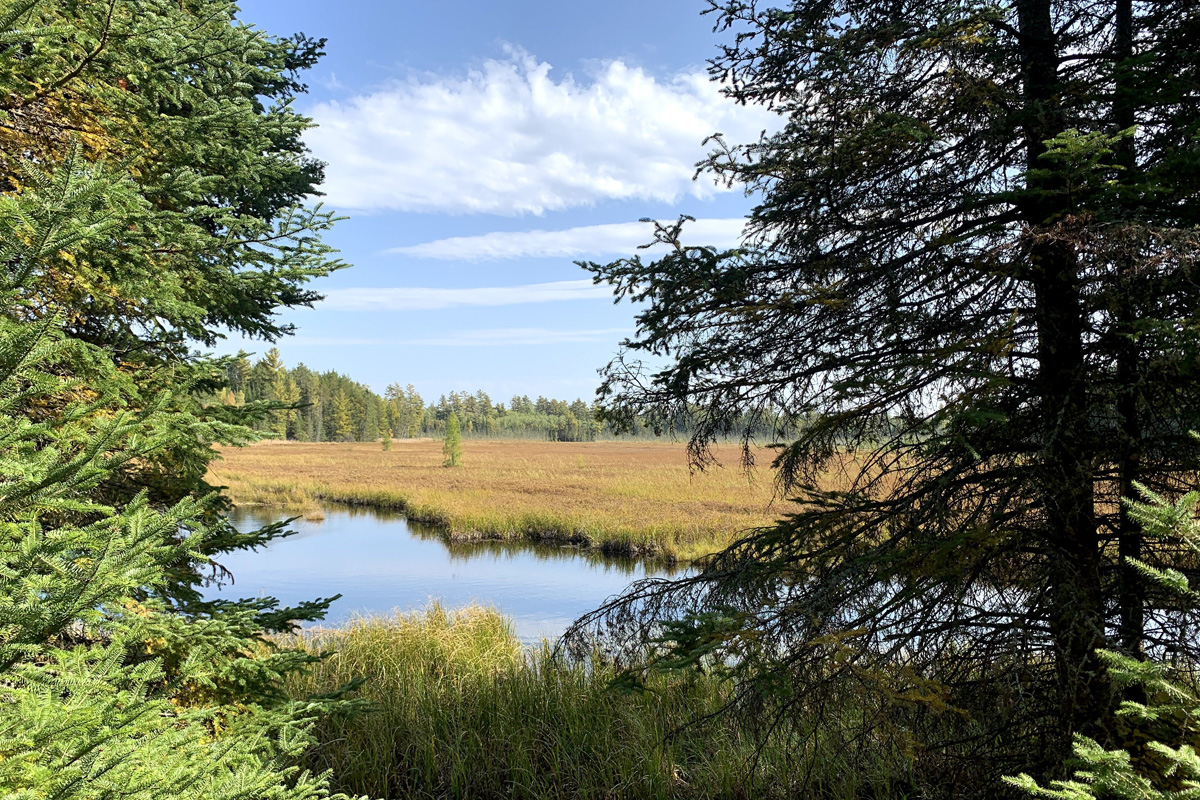
Protecting Minnesota’s Outdoor Traditions: Hunting and Fishing Access Moves Forward

In Northern Minnesota, hunting and fishing aren’t just hobbies—they’re a way of life, passed down through generations. Congresswoman Michelle Fischbach says those traditions took a step toward protection this week.

The U.S. House has passed the Protecting Access for Hunters and Anglers Act, a measure Fischbach supported to keep federal regulations from limiting outdoor activities many Minnesotans depend on and enjoy.

Supporters say hunters and anglers are among the nation’s strongest conservationists, contributing more than one billion dollars each year to protect wildlife and habitats.

The bill would allow continued use of traditional ammunition and fishing tackle on federal lands, unless clear scientific evidence calls for restrictions. It also aims to prevent broad federal bans that could make hunting and fishing too expensive for many families.

Fischbach says the legislation helps preserve access, protect conservation efforts, and ensure future generations can experience Minnesota’s outdoor heritage.