




Lancaster Native Named Roseau Market President at Border Bank

By: Graham Scher | R&J Broadcasting Inc.

ROSEAU, Minn — A familiar face in Roseau County is stepping into a new leadership role at Border Bank.

Andrew Faken has been named Market President of the bank’s Roseau location, succeeding longtime Market President Tim Loven, who retired earlier this month. Faken, a Lancaster native, began his banking career in 2009 and joined Border Bank in 2018 as a Credit Officer. He was promoted to Business Banker in 2022 and has worked closely with businesses and community members throughout the greater Roseau area.

Faken is a graduate of North Dakota State University with a degree in finance and has remained active in the region beyond his banking career. He currently serves as Vice President of the Northwestern Minnesota Manufacturers Association, helping support one of Northwest Minnesota’s key economic sectors.

Bank officials say Faken’s strong community ties, experience in commercial lending, and understanding of the local economy made him a natural choice to lead the Roseau branch. In his new role, he will oversee operations and continue working with local businesses and residents throughout the region.


Minnesota BWSR Invests $6.7 Million to Improve Statewide Water Quality

Minnesota is investing nearly 6.7 million dollars to improve water quality across the state. The Minnesota Board of Water and Soil Resources approved 18 competitive Clean Water Fund grants that will support projects aimed at reducing pollution in lakes, rivers, streams and groundwater. Funded efforts include stormwater treatment systems, lake restoration projects, streambank stabilization, agricultural conservation practices, septic system upgrades and groundwater protection measures. 

State officials say the projects will help reduce phosphorus, sediment, bacteria and other contaminants while improving drinking water quality and aquatic habitats. The grants are funded through Minnesota’s Clean Water Fund, created by the voter-approved Legacy Amendment. For more information on the grants and funded projects, visit the Minnesota Board of Water and Soil Resources website.

MNDot Update on Warroad-Roseau Hwy 11 Project

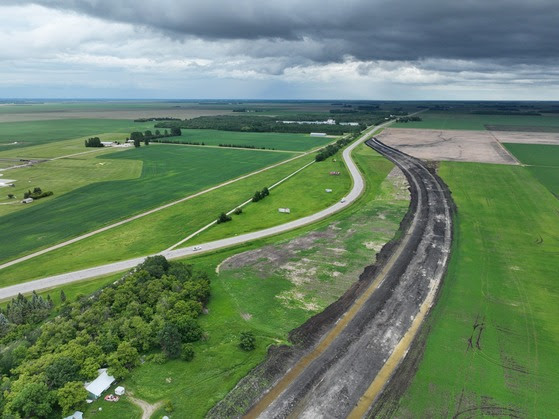
Construction continues on the Highway 11 Roseau-to-Warroad improvement project, with paving on the east end of the corridor set to begin next week and continue through mid-July. MnDOT says crews are completing grading, ditch work and culvert installation, while highway realignment work is underway near the Roseau airport. 

Drivers should note that all construction activity will pause for the Independence Day holiday, with no work scheduled from July 3rd through July 5th. Crews will return to the project on July 6th. Highway 11 remains open to local traffic only, with through traffic detoured on Highway 313 and County Road 13. For project updates and more information, visit the MnDOT Highway 11 Roseau-to-Warroad project page.

Cercospora Leaf Spot Update from MN Extension

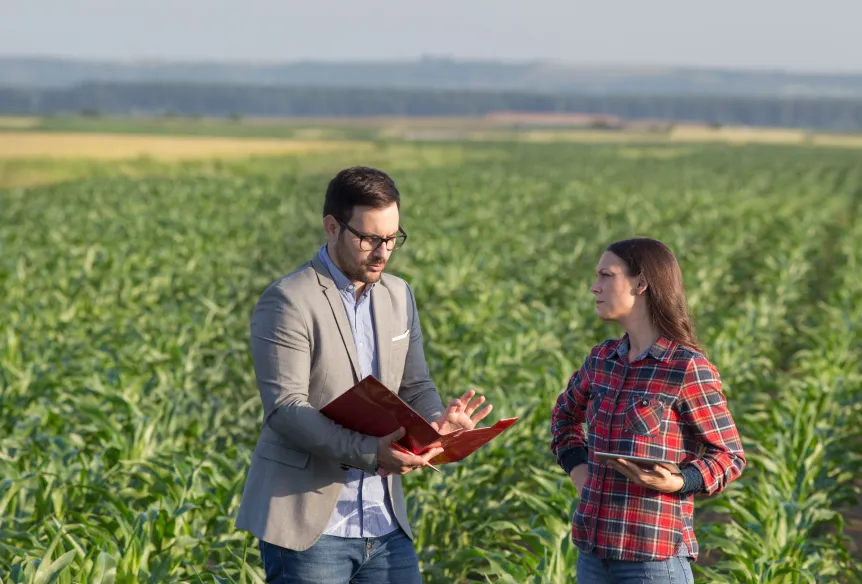
For sugarbeet growers across the Red River Valley, Cercospora Leaf Spot season is fast approaching, organizations like Minnesota and NDSU Extension are encouraging producers to get ahead of leaf spot before it’s too late. Dr Eric Branch of Minnesota Extension says it’s important to be getting in the field for application soon.

When it comes to leaf spot application prevention, Branch says most of the industry is in universal agreement on an application plan.

For more agricultural news and programming, go to the Farm News webpage at rjbroadcasting.com.

Minnesota Exports See 8% Decline

Minnesota exports fell 8% in the first quarter of 2026, dropping to 5.8 billion dollars, according to new data from the Minnesota Department of Employment and Economic Development. State officials say the decline was largely driven by a steep drop in mineral fuel and oil exports to Canada, which were down more than 600 million dollars. Excluding those fuel exports, Minnesota’s other exports actually grew 2%. 

Strong gains were reported in electrical equipment, agricultural products and fertilizers, while exports to Europe, Africa and Latin America increased. DEED says global trade uncertainty continues to impact markets. Find the full report in the Export and Trade Statistics section of the Minnesota Department of Employment and Economic Development website.

Crop Ratings Edged Lower Last Week

Minnesota crop conditions declined slightly over the past week as uneven rainfall continues to impact fields across the state.

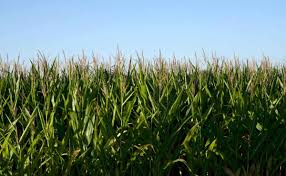
According to the USDA’s latest weekly crop report, 79 percent of the state’s corn crop is rated good to excellent, down one percentage point from the previous week. Soybeans saw a larger decline, falling from 80 to 76 percent good to excellent. University of Minnesota Extension crops educator Ryan Miller says moisture conditions have varied widely across Minnesota, with some growers receiving timely rains while others have struggled with drier conditions. Miller says that uneven moisture has led to one of the biggest challenges this season—spotty soybean emergence.

Miller says some growers in the driest areas saw soybean emergence stretched over a two-week period, but recent rains have helped establish stands and keep the crop moving forward. Despite the uneven conditions, soybean emergence statewide is at 97 percent, ahead of the five-year average of 93 percent.

MN DNR Urges Water Enthusiasts to Look Out for Invasive Species

The Minnesota Department of Natural Resources is urging boaters and lake property owners to check used docks, lifts, boats and other water equipment for aquatic invasive species before buying, selling or moving them. Officials say mid-season transfers pose a higher risk of spreading invasive species like zebra mussels because equipment may have been sitting in the water for extended periods. 

State law requires docks and lifts to stay out of the water for at least 21 days before being moved to another lake. The DNR also reminds Minnesotans to clean equipment, drain water and remove invasive species before transport. Find more information at mndnr.gov/ais.

Minnesota Crop Conditions Decline

Minnesota crop conditions declined slightly over the past week as uneven rainfall continues to impact fields across the state.

According to the USDA’s latest weekly crop report, 79 percent of the state’s corn crop is rated good to excellent, down one percentage point from the previous week. Soybeans saw a larger decline, falling from 80 to 76 percent good to excellent. University of Minnesota Extension crops educator Ryan Miller says moisture conditions have varied widely across Minnesota, with some growers receiving timely rains while others have struggled with drier conditions. Miller says that uneven moisture has led to one of the biggest challenges this season—spotty soybean emergence.

Miller says some growers in the driest areas saw soybean emergence stretched over a two-week period, but recent rains have helped establish stands and keep the crop moving forward. Despite the uneven conditions, soybean emergence statewide is at 97 percent, ahead of the five-year average of 93 percent.

BWCA Looking at Unused Permit System

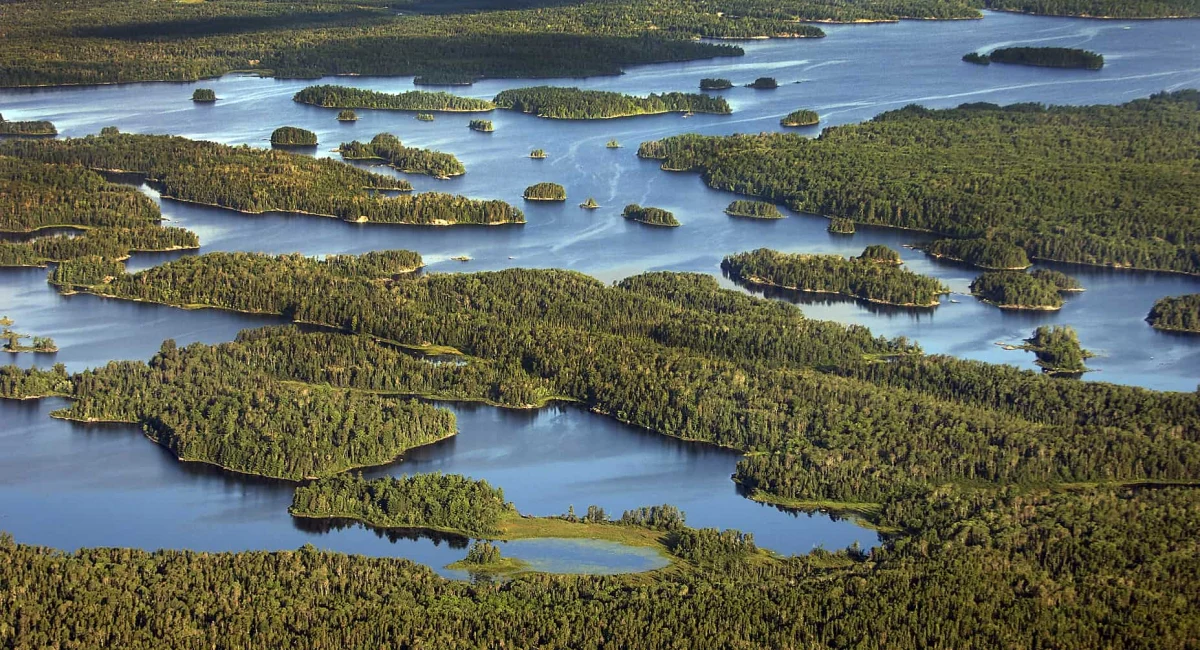
The Superior National Forest is seeking public feedback on a proposed change to the permit cancellation policy for the Boundary Waters Canoe Area Wilderness. 

Forest officials say the goal is to have unused permits returned to the reservation system sooner, giving families, school groups, and other visitors a better chance to plan trips into one of Minnesota’s premier outdoor destinations. The need for the change became clear after nearly 40 percent of permits reserved when sales opened for the 2025 season went unused, preventing others from securing entry opportunities during the busy summer months.

Under the proposed policy, permit holders who cancel well in advance would receive a partial refund, while those canceling closer to their trip date would forfeit a larger portion if not all of their deposit. The changes are designed to reduce no-shows and improve access to permits for those hoping to experience the Boundary Waters. Public comments on the proposal are now being accepted by the Superior National Forest.

Minnesota DNR Expands Deer Feed and Attractant Ban

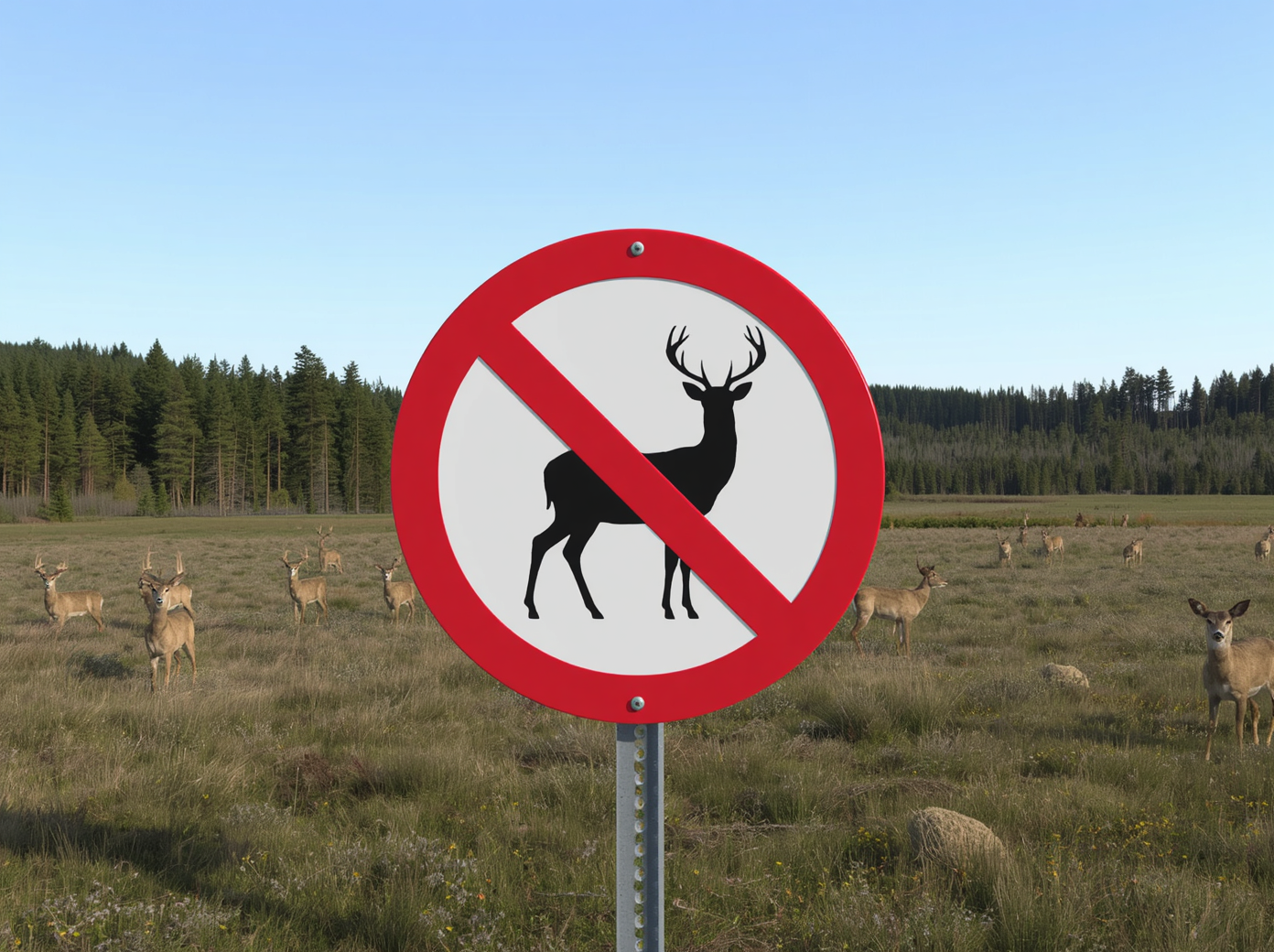
The Minnesota Department of Natural Resources is expanding its deer feeding and attractant ban to five additional counties in an effort to slow the spread of chronic wasting disease. The newly added counties are Becker, Clearwater, Grant, McLeod and Meeker, after CWD was detected in wild deer in new parts of the state last year. 

Officials say feeding sites can cause deer to gather unnaturally, increasing the risk of disease transmission. The ban now covers 37 counties statewide. The DNR continues to discourage feeding deer anywhere in Minnesota and recommends improving habitat instead to provide natural food sources and shelter.